Introduction
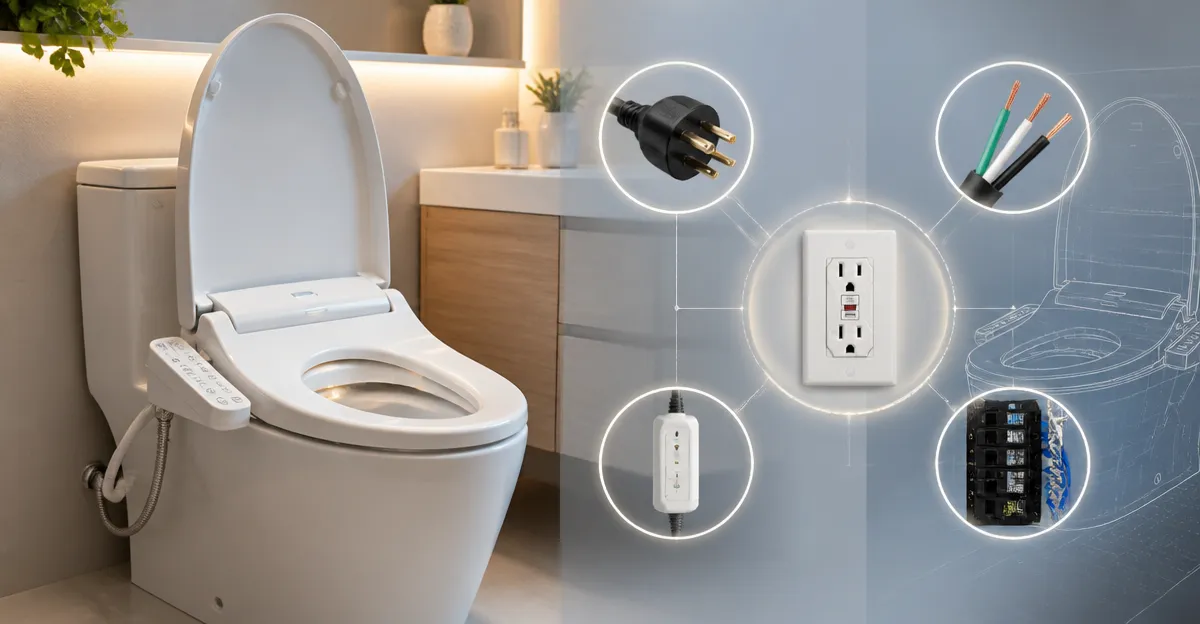
This guide explains the electrical requirements for heated bidet seats, including voltage specifications, wiring methods, ground‑fault circuit interrupter (GFCI) considerations and safe installation practices. Readers will learn how to assess bathroom power capacity, select appropriate wiring materials, comply with code requirements and avoid common hazards. The article also highlights several high‑quality bidet models that illustrate best‑in‑class electrical design. By the end of this guide, one will be able to install a heated bidet seat with confidence and peace of mind.
Background and Context
Heated bidet seats combine water heating, seat heating, air drying and electronic control in a single unit. Because these functions draw continuous power, they must be connected to a dedicated 120 V or 240 V circuit that meets local electrical codes. The National Electrical Code (NEC) requires a GFCI protected outlet for any bathroom appliance that is plugged into a standard receptacle. In addition, many manufacturers recommend a dedicated circuit to prevent overload of existing lighting circuits.
Understanding the difference between amperage rating, voltage and wiring gauge is essential. A typical heated bidet seat consumes between 300 W and 600 W, which translates to 2.5 A to 5 A at 120 V. However, the seat heater may draw higher current during the warm‑up phase, and the water heating element can increase demand temporarily. Selecting the correct wire gauge (usually 14‑AWG for 15 A circuits) ensures safe operation and minimizes voltage drop.
In addition to electrical safety, proper grounding protects users from electric shock in the event of a fault. All bidet seats feature a three‑prong plug that must be connected to a grounded outlet. If the bathroom lacks a grounded outlet, an electrician should install a new receptacle or a hard‑wired connection according to the manufacturer’s instructions.
Voltage Compatibility
Most North American heated bidet seats operate on standard 120 V household power. Some premium models, such as the XCQQ Heated Bidet Seat S9BL, also support 240 V input for faster water heating. When selecting a model, verify the voltage range printed on the product label. Using a unit on an unsupported voltage can damage internal components and void the warranty.
For homes with 240 V service, a step‑down transformer can be employed to supply 120 V devices, but this adds complexity and cost. In most cases, installing a dedicated 120 V circuit with a GFCI breaker is the simplest solution. The voltage rating influences the choice of plug type; a 120 V unit uses a standard NEMA 5‑15P plug, while a 240 V unit may require a NEMA 6‑15P plug.
When planning a bathroom remodel, consider future upgrades. Selecting a bidet seat that can operate on both 120 V and 240 V provides flexibility and protects the investment against changes in local power standards.
Wiring Requirements and Gauge Selection
The NEC specifies that bathroom circuits serving receptacles must be protected by a 20 A breaker. A 14‑AWG copper conductor is sufficient for a 20 A circuit, but many electricians prefer 12‑AWG for added durability. The wiring must run in a conduit or be protected by a cable assembly rated for wet locations, such as NM‑B (Romex) within the wall cavity.
When wiring a hard‑wired bidet seat, follow the manufacturer’s wiring diagram precisely. The Bio Bidet BB‑2000 Bliss includes a side‑panel control that can be powered directly from a dedicated circuit, eliminating the need for a separate plug. In such installations, the ground wire (green or bare) must be connected to the metal outlet box and the bidet chassis.
It is advisable to install a separate circuit for the bidet seat rather than sharing a circuit with bathroom lighting. This prevents nuisance tripping of GFCI devices caused by the brief surge when the seat heater activates. A dedicated circuit also simplifies troubleshooting and ensures that the bidet receives the full voltage it requires.
Ground‑Fault Circuit Interrupter (GFCI) Considerations
A GFCI device monitors the current balance between hot and neutral conductors and disconnects power within 25 ms if an imbalance exceeds 5 mA. Because bathrooms are wet environments, the NEC mandates GFCI protection for all receptacles. For hard‑wired installations, a GFCI breaker in the main panel provides the required protection.
Some bidet seats, such as the SmartBidet SB‑1000, feature an internal power‑saving mode that reduces standby draw. This mode can cause occasional false trips on older GFCI devices that are sensitive to low‑level leakage currents. Upgrading to a modern GFCI breaker with a higher trip threshold can resolve this issue while maintaining safety.
When installing a GFCI receptacle, ensure that the line and load terminals are correctly identified. Connecting the bidet seat to the load side protects the downstream outlet and any future accessories that may be added to the same circuit.
Recommended Products and Their Electrical Features
The following products exemplify best practices in electrical design and safety compliance.
- XCQQ Heated Bidet Seat S9BL – 120 V/240 V dual voltage, LED display, soft‑close lid, heated seat, warm air dryer, self‑cleaning stainless steel nozzle. Rating 4.2/5 from 759 reviews. Price $169.99.
- Bio Bidet BB‑2000 Bliss – 120 V operation, wireless remote, unlimited warm water, built‑in deodorizer, night light. Rating 4.5/5 from 4,304 reviews. Price $489.00.
- SmartBidet SB‑1000 – 120 V, smart sensor activation, 5‑level seat heating, 5‑level air dryer, 330 lb weight capacity. Rating 4.3/5 from 3,402 reviews. Price $369.00.
- GAICOM Heated Bidet Seat – 120 V, side‑panel control, instant warm water, night light, self‑cleaning nozzle. Rating 4.3/5 from 70 reviews. Price $189.97.
- TOTO Washlet A2 – 120 V, SoftClose® lid, heated seat, side panel, self‑cleaning wand, tank‑style water heating. Rating 4.6/5 from 977 reviews. Price $274.94.
Each of these models includes a grounded three‑prong plug and complies with NEC requirements for bathroom appliances. When selecting a bidet seat, consider the voltage flexibility, power consumption and presence of a dedicated GFCI‑protected circuit.
Comparison and Selection Guide
To help readers choose the right bidet seat, the table below compares key electrical and functional attributes.
| Model | Voltage | Power Consumption (W) | GFCI Requirement | Key Electrical Feature | Price |
|---|---|---|---|---|---|
| XCQQ Heated Bidet Seat S9BL | 120 V / 240 V | 450 | GFCI protected outlet or breaker | Dual voltage, LED display | $169.99 |
| Bio Bidet BB‑2000 Bliss | 120 V | 500 | GFCI protected outlet | Wireless remote, unlimited warm water | $489.00 |
| SmartBidet SB‑1000 | 120 V | 420 | GFCI breaker recommended | Smart sensor activation | $369.00 |
| GAICOM Heated Bidet Seat | 120 V | 380 | GFCI protected outlet | Side panel control | $189.97 |
| TOTO Washlet A2 | 120 V | 400 | GFCI protected outlet | Tank‑style water heating | $274.94 |
For households that already have a GFCI‑protected bathroom outlet, any of the listed models can be installed with a simple plug‑in connection. For new construction or major remodels, a dedicated 20 A circuit with a GFCI breaker provides the most reliable power source.
Best Practices and Installation Tips
- Verify that the bathroom outlet is grounded and GFCI protected before plugging in the bidet seat.
- Use a dedicated 20 A circuit whenever possible to avoid overloading existing lighting circuits.
- Choose 14‑AWG copper wire for a 20 A circuit; upgrade to 12‑AWG if the run is longer than 50 ft to reduce voltage drop.
- When hard‑wiring, follow the manufacturer’s wiring diagram, connect the ground wire to the metal outlet box, and secure all connections with wire nuts.
- Install a GFCI breaker in the main panel for hard‑wired models to meet code requirements and provide downstream protection.
- After installation, test the GFCI by pressing the test button; the bidet seat should lose power immediately.
- Use a voltage tester to confirm that the outlet delivers the correct voltage before connecting the unit.
- Secure the bidet seat to the toilet bowl using the supplied bolts; avoid overtightening which can damage the porcelain.
- Consult a licensed electrician if you are uncertain about any wiring step or local code variations.
Following these practices reduces the risk of electrical shock, prevents nuisance tripping, and extends the lifespan of the bidet seat.
Frequently Asked Questions
- What voltage do most heated bidet seats require?
- Most models operate on standard 120 V household power, although some premium units support 240 V for faster heating.
- Do I need a dedicated circuit for a heated bidet seat?
- A dedicated 20 A circuit is recommended to avoid overloading bathroom lighting circuits and to provide consistent voltage.
- Can I install a bidet seat without an electrician?
- If the bathroom already has a grounded GFCI‑protected outlet, a plug‑in installation is permissible. However, hard‑wired installations or new circuit additions should be performed by a licensed electrician.
- What is the purpose of a GFCI device for a bidet seat?
- A GFCI monitors current imbalance and disconnects power within milliseconds if leakage is detected, protecting users from electric shock in wet environments.
- How do I prevent false trips on a GFCI?
- Use a modern GFCI breaker with a higher trip threshold, ensure proper grounding, and avoid sharing the circuit with high‑inrush devices.
- Is it safe to use an extension cord with a bidet seat?
- Extension cords are not recommended because they may lack proper grounding and can cause voltage drop. Install a permanent receptacle or hard‑wire the unit.
- What maintenance is required for the electrical components?
- Periodically inspect the plug and cord for damage, keep the outlet clean, and test the GFCI quarterly to ensure proper operation.
Conclusion
Heated bidet seats provide comfort, hygiene and environmental benefits, but they must be installed with attention to electrical safety. Understanding voltage compatibility, wiring gauge, GFCI protection and dedicated circuit requirements ensures reliable operation and compliance with code. By selecting a model that matches the bathroom’s power infrastructure and following best‑practice installation steps, homeowners can enjoy the advantages of a modern bidet without compromising safety.
Products Featured in This Guide
XCQQ Heated Bidet Seat S9BL
Price: $169.99 – Rating: 4.2/5 (759 reviews). Featured for its dual‑voltage capability, LED display and comprehensive cleaning modes that illustrate flexible electrical design.
Bio Bidet BB-2000 Bliss
Price: $489.00 – Rating: 4.5/5 (4,304 reviews). Featured for its unlimited warm water system, wireless remote and premium build quality that demonstrate high‑end electrical integration.
SmartBidet SB-1000
Price: $369.00 – Rating: 4.3/5 (3,402 reviews). Featured for its smart sensor activation, robust weight capacity and energy‑saving mode that highlight advanced electrical safety features.
GAICOM Heated Bidet Seat
Price: $189.97 – Rating: 4.3/5 (70 reviews). Featured for its side‑panel control and straightforward installation, illustrating a cost‑effective solution for standard 120 V circuits.
TOTO Washlet A2
Price: $274.94 – Rating: 4.6/5 (977 reviews). Featured for its reliable SoftClose® lid, tank‑style water heating and reputation for durability, representing a trusted brand in bathroom electronics.