Introduction
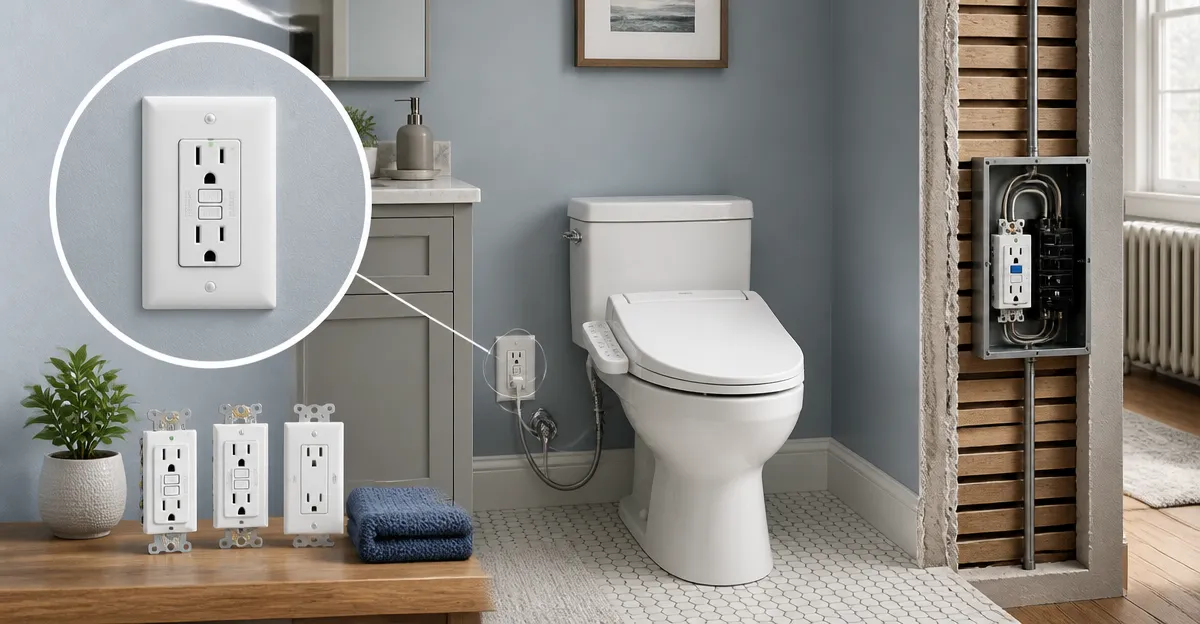
Installing a bidet seat in an older home presents unique electrical challenges that require careful planning and adherence to safety codes. This guide explains how to evaluate existing wiring, select appropriate ground‑fault circuit interrupter (GFCI) devices, and position outlets for optimal performance. Readers will learn the underlying principles of GFCI protection, compare leading products, and receive actionable best‑practice tips. By the end of the article, homeowners and DIY renovators will be equipped to install a bidet seat safely and confidently.
Background/Context
Bidet seats combine water heating, electronic controls, and sometimes heated seating, all of which draw power from a standard 120‑volt circuit. The National Electrical Code (NEC) mandates that any receptacle serving a bathroom fixture must be protected by a GFCI to prevent electric shock. Older homes often contain two‑wire circuits, shallow electrical boxes, or outdated breakers that complicate compliance. Understanding these constraints is essential before any hardware is purchased or installed.
Understanding GFCI Requirements for Bidet Seats
A GFCI monitors the current balance between hot and neutral conductors; if a discrepancy greater than 5 mA occurs, the device trips within milliseconds, cutting power to the load. For bidet seats, this rapid response protects users who may be in contact with water while adjusting controls. The device must be rated for the load current of the seat, typically 15 A for most residential models, though some premium seats require up to 20 A. Selecting a GFCI with the correct ampere rating, voltage rating, and certification ensures reliable operation and code compliance.
Two primary installation options exist: a dedicated GFCI receptacle placed near the bidet, or a GFCI circuit breaker that protects the entire bathroom circuit. A dedicated receptacle offers visual status indicators and easy replacement, while a breaker provides upstream protection for multiple outlets. In older homes with limited space, the slim profile of modern GFCI devices can be decisive, especially when retrofitting shallow metal boxes.
Choosing the Right GFCI Outlet for Older Homes
The market offers several high‑quality GFCI outlets that balance safety, ease of installation, and cost. For homeowners seeking a cost‑effective multi‑unit solution, the Electeck 5‑Pack GFCI Outlet provides five 15‑amp units at a competitive price. Each unit features a green LED indicator that remains illuminated when power is present, back‑and‑side wiring for flexible mounting, and ETL certification confirming rigorous safety testing. The pack is especially useful for bathroom renovations that require multiple protected outlets, such as adding a bidet seat, a vanity light, and a hair‑dryer receptacle.
For users who prefer a single, well‑known brand with advanced diagnostics, the Leviton Slim 15A GFCI Outlet delivers a sleek design and a patented reset‑lockout feature that prevents operation if wiring is incorrect. Its LED indicator provides clear feedback on power and protection status, and the device is engineered to reduce high‑frequency nuisance tripping, which can be advantageous in homes with many electronic appliances. The outlet is non‑tamper‑resistant, making it suitable for households with children.
When tamper resistance is a priority, particularly in family bathrooms, the Leviton Slim 15A Tamper‑Resistant GFCI (3‑Pack) combines a shallow form factor with child‑proof shutters. Each unit includes an auto‑test function that self‑checks every 15 minutes, ensuring continuous readiness. The lockout mechanism prevents resetting if the device detects a fault, enhancing safety for high‑usage environments. Although wallplates are not included, the slim profile fits older shallow metal boxes without extensive remodeling.
For outdoor or damp‑location installations, such as a bidet seat placed in a converted garage bathroom, the XimaoEase 20A Weather‑Resistant GFCI offers robust protection against corrosion and UV exposure. Rated for both 15 A and 20 A circuits, it can accommodate higher‑current bidet models while meeting UL 943 and UL 498 standards. The dual‑LED system displays power and fault status, and the device includes tamper‑resistant shutters for added child safety. Its price point makes it an attractive option for budget‑conscious remodelers.
Finally, the Leviton Slim 20A Weather‑Resistant GFCI merges the slim design of the indoor models with a weather‑rated enclosure suitable for both indoor and outdoor applications. The self‑test SmartlockPro technology conducts automatic internal checks, and the lockout feature prevents resetting after a fault. This outlet is ideal for homeowners who anticipate future upgrades to higher‑current appliances or who desire a single product line for multiple locations.
Comparison/Selection Guide
| Feature | Electeck 5‑Pack | Leviton Slim 15A | Leviton Slim 15A TR (3‑Pack) | XimaoEase 20A WR | Leviton Slim 20A WR |
|---|---|---|---|---|---|
| Amp Rating | 15 A | 15 A | 15 A | 15 A/20 A | 20 A |
| Weather‑Rated | No | No | No | Yes | Yes |
| Tamper‑Resistant | No | No | Yes | Yes | Yes |
| Self‑Test | No | No | Yes | Yes | Yes |
| LED Indicator | Green (Power) | Green (Power/Protection) | Green/Red (Status) | Green/Red (Status) | Green/Red (Status) |
| Package Size | 5‑Pack | Single | 3‑Pack | Single | Single |
| Price (USD) | 33.99 | 20.81 | 35.97 | 9.49 | 17.80 |
| Average Rating | 4.6/5 | 4.7/5 | 4.8/5 | 4.5/5 | 4.7/5 |
When selecting a GFCI for a bidet seat, prioritize amp rating, weather rating, and tamper resistance based on the installation environment. For interior bathroom remodels with limited budget, the Electeck 5‑Pack offers the best value per unit while meeting all code requirements. For premium indoor installations where diagnostic feedback is valuable, the Leviton Slim 15A provides a reliable single‑unit solution. In scenarios where child safety and auto‑testing are essential, the Leviton Slim 15A Tamper‑Resistant 3‑Pack delivers advanced features without sacrificing space. Outdoor or semi‑outdoor bathrooms benefit from the XimaoEase 20A Weather‑Resistant GFCI, which combines high current capacity with corrosion‑resistant construction. Finally, the Leviton Slim 20A Weather‑Resistant GFCI serves as a future‑proof choice for homeowners planning to upgrade to higher‑current fixtures.
Best Practices & Tips
- Verify that the existing circuit is rated for the intended load; a typical bidet seat draws between 1.5 A and 2.5 A, but heating elements may increase demand.
- Turn off the breaker and use a non‑contact voltage tester to confirm that the power is removed before beginning any wiring work.
- When retrofitting an older metal box, ensure that the box depth accommodates the GFCI’s back‑wired terminals; slim models such as the Leviton Slim series are designed for shallow boxes.
- Label the load side of the GFCI if downstream outlets are protected; this prevents accidental overloads and simplifies future troubleshooting.
- After installation, press the TEST button to verify that the outlet trips, then press RESET to restore power; a functional LED indicator should confirm proper operation.
- Consider installing a GFCI breaker in the main panel if multiple bathroom circuits lack protection; this approach reduces the number of devices needed at the point of use.
- Maintain a clear record of the wiring configuration (line versus load) in a permanent location, such as behind the outlet cover, to aid future electricians.
FAQ
Q1: Can I install a standard 15 A outlet for a bidet seat without a GFCI?
Answer: No. The NEC requires that any receptacle serving a bathroom fixture be GFCI‑protected to mitigate shock risk.
Q2: What if my bathroom has a two‑wire (no ground) circuit?
Answer: A GFCI can still provide protection on an ungrounded circuit, but local code may require the addition of a grounding conductor for other devices.
Q3: Is a weather‑rated GFCI necessary for indoor bathrooms?
Answer: While not required, a weather‑rated device offers additional corrosion resistance, which can extend the lifespan of the outlet in humid environments.
Q4: How often should I test my GFCI outlet?
Answer: Test the device monthly using the built‑in TEST button; many modern units also perform self‑tests automatically.
Q5: Can I replace a GFCI breaker with a GFCI receptacle?
Answer: Yes, provided the receptacle protects the specific circuit serving the bidet seat; however, a breaker protects the entire circuit and may be preferable in older homes with multiple bathroom outlets.
Q6: What is the advantage of a tamper‑resistant GFCI?
Answer: Tamper‑resistant shutters prevent insertion of foreign objects, reducing the risk of electric shock for children and pets.
Q7: Do I need a dedicated circuit for a bidet seat?
Answer: Most residential bidet seats can share a 15 A circuit with other bathroom loads, but a dedicated 20 A circuit is advisable for high‑end models with powerful heating elements.
Conclusion
Installing a bidet seat in an older home demands careful assessment of existing wiring, selection of a suitably rated GFCI outlet, and adherence to NEC safety standards. By understanding the differences between standard, tamper‑resistant, and weather‑rated devices, homeowners can choose a product that aligns with their budget, space constraints, and long‑term durability goals. The recommended products—Electeck 5‑Pack, Leviton Slim 15A, Leviton Slim 15A Tamper‑Resistant, XimaoEase 20A Weather‑Resistant, and Leviton Slim 20A Weather‑Resistant—cover a broad spectrum of needs and provide reliable protection for bidet installations. Following the best‑practice checklist and regularly testing the GFCI will ensure a safe and comfortable bathroom experience for years to come.
Products Featured in This Guide
Electeck 5‑Pack GFCI Outlet
Price: $33.99
Rating: 4.6/5 (1,354 reviews)
Featured for its economical multi‑unit packaging, ETL certification, and green power‑indicator that simplifies verification during installation.
Leviton Slim 15A GFCI Outlet
Price: $20.81
Rating: 4.7/5 (6,332 reviews)
Featured for its slim profile, reset‑lockout safety feature, and reduced nuisance tripping, making it ideal for high‑usage bathroom circuits.
Leviton Slim 15A Tamper‑Resistant GFCI (3‑Pack)
Price: $35.97
Rating: 4.8/5 (1,060 reviews)
Featured for its child‑proof shutters, auto‑test capability, and shallow design that fits older metal boxes without extensive remodeling.
XimaoEase 20A Weather‑Resistant GFCI
Price: $9.49
Rating: 4.5/5 (302 reviews)
Featured for its dual‑amp capability, corrosion‑resistant housing, and self‑monitoring LED that ensures continuous protection in damp locations.
Leviton Slim 20A Weather‑Resistant GFCI
Price: $17.80
Rating: 4.7/5 (2,108 reviews)
Featured for its 20 A rating, slim weather‑rated design, and SmartlockPro self‑test technology that provides ongoing assurance of fault protection.
Frequently Asked Questions
Do I need a GFCI outlet for a bidet seat in an older bathroom?
Yes, the NEC requires any bathroom receptacle, including those powering a bidet seat, to be GFCI protected.
Can a two‑wire (no ground) circuit be used for a bidet seat?
Only if you replace it with a modern 3‑wire circuit or install a GFCI breaker that provides protection without a ground.
Where should the outlet for a bidet seat be installed?
Place it within 3 feet of the toilet, on the wall behind or beside the seat, and ensure it’s easily accessible.
What type of GFCI device is best for a bidet seat?
A dedicated GFCI receptacle or a GFCI breaker rated for 20 A provides reliable protection and easy reset.
How can I tell if my existing bathroom wiring meets code for a bidet seat?
Check for a grounded 3‑wire outlet, proper breaker size, and verify that the receptacle trips a GFCI tester; if not, upgrade the wiring or add a GFCI device.