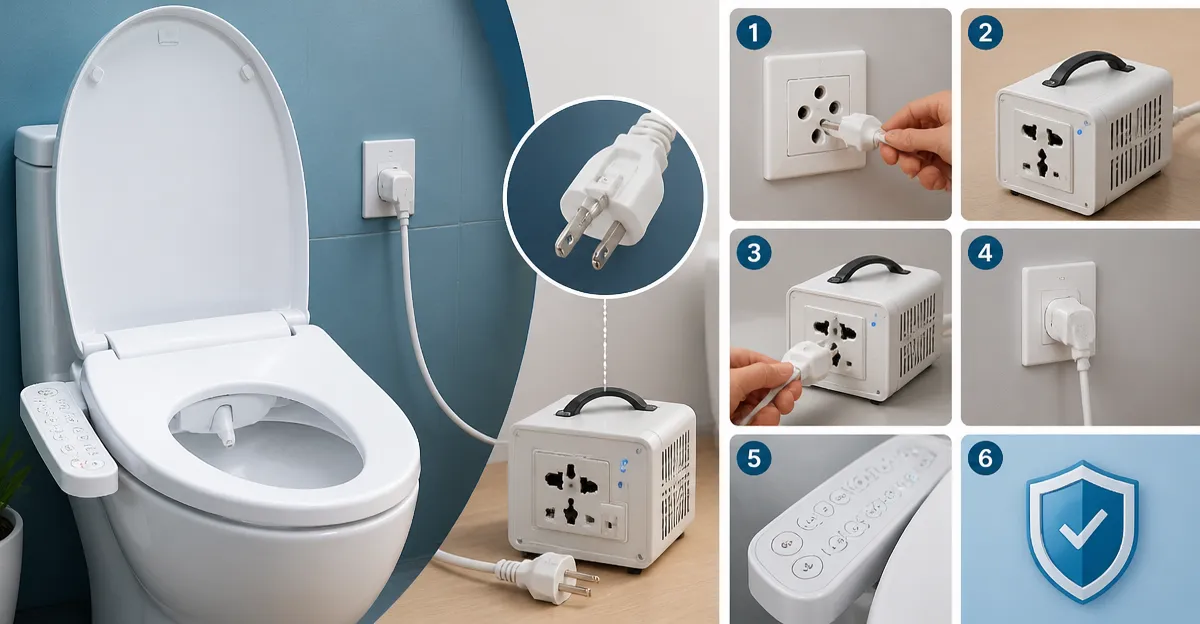
How to Use a 110V Bidet Seat on 220V Safely: Step‑by‑Step Guide, Best Voltage Converters & Safety Tips
Introduction
One will learn how to operate a 110V electric bidet seat in regions that supply 220V power. The guide explains why a voltage converter is essential, how to select the appropriate model, and how to install the bidet safely. Readers will also receive practical tips, common‑issue troubleshooting, and product recommendations that simplify the process. By following the instructions, one can enjoy a spa‑like bathroom experience without risking damage to the device or the home electrical system.
What You'll Need
- A 110V bidet seat such as the LEIVI Elongated Bidet Seat.
- A reliable voltage converter capable of handling the bidet's power draw.
- Appropriate plug adapters for the local outlet type.
- Basic tools: screwdrivers, adjustable wrench, and a voltage tester.
- Safety accessories: surge protector and a short‑circuit protected power strip (optional).
Step 1: Verify the Bidet Seat's Power Requirements
Before purchasing any converter, one must confirm the bidet seat's wattage. The LEIVI model lists a maximum consumption of approximately 120W for heating and motor functions, which falls well below 200W. Knowing the exact figure prevents oversizing the converter, which can lead to unnecessary cost and bulk. It also ensures that the selected unit provides a safety margin recommended by manufacturers.
Step 2: Choose an Appropriate Voltage Converter
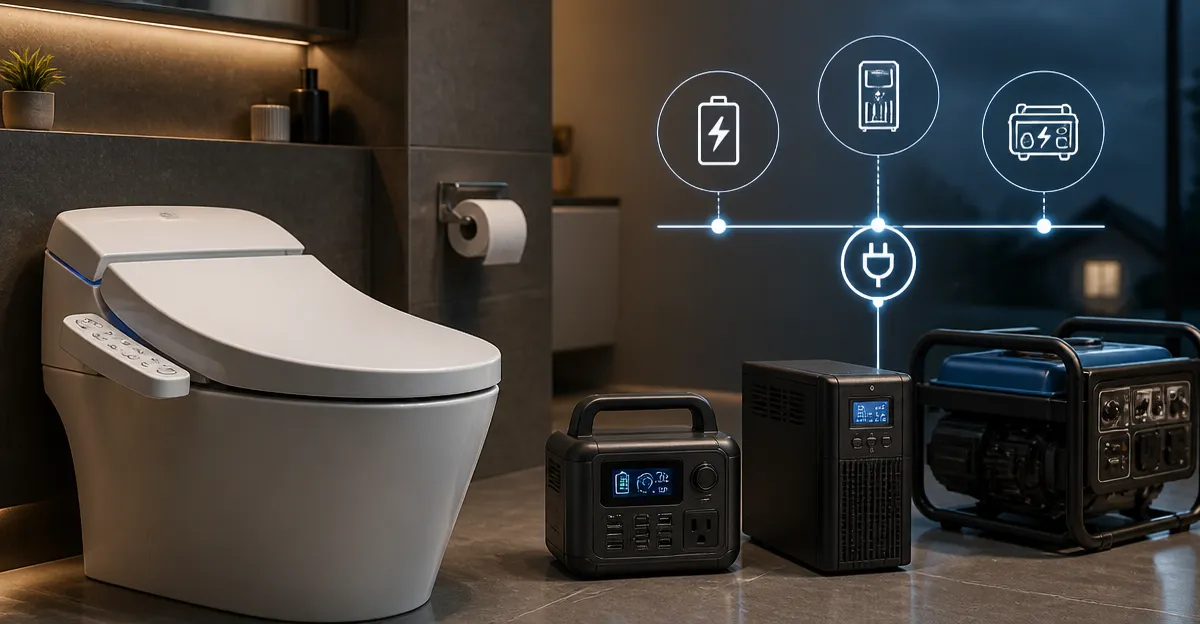
For a device that draws less than 200W, a compact converter with a dedicated 200W outlet is sufficient. The Ceptics Voltage Converter offers a 200W port and a 2000W port, multiple USB outputs, and worldwide plug compatibility. Its safety features include a silent fan, auto shut‑down, surge protection, and over‑current safeguards, making it an ideal choice for bathroom installations where moisture is present. At a price of $69.99 and a rating of 4.5/5 from 6,429 reviews, the Ceptics unit combines value with reliability.
If one anticipates charging additional devices such as smartphones, a tablet, or a portable CPAP machine while the bidet is in use, the same Ceptics model provides three USB‑A ports and one USB‑C port with Quick Charge 3.0. This eliminates the need for a separate charger and reduces cable clutter near the bathroom floor.
For travelers who require a lighter solution, the BESTEK Travel Adapter supplies 250W step‑down conversion, three AC outlets, and four USB ports. Although its continuous rating is lower than the Ceptics 200W outlet, the BESTEK unit is priced at $35.98 and carries a 4.4/5 rating from 7,714 reviews. It is suitable for short‑term stays where the bidet will not operate continuously.
For users who need a higher power headroom—perhaps to run a heated towel rack in addition to the bidet—the Yinleader 2000W Voltage Converter delivers up to 2000W peak power, four AC outlets, and dual circuit breakers. Priced at $76.99 with a 4.3/5 rating, it provides ample margin for future expansion, though it is bulkier (8×6×6 inches, 10 lb).
Step 3: Prepare the Installation Area
One should shut off the bathroom's main water supply and disconnect power at the circuit breaker before beginning any work. The area around the toilet must be dry; moisture can compromise electrical connections and void warranty coverage. Using a voltage tester, verify that the wall outlet provides 220V before attaching any converter.
Next, lay out the converter on a stable, non‑conductive surface such as a rubber mat. The converter's built‑in rubber feet prevent slipping, and the Ceptics model includes a silent fan that remains quiet during operation, reducing the risk of water‑induced vibration.
Finally, ensure that the power cord length (5 ft on the Ceptics unit) reaches the outlet without stretching. If the cord is insufficient, a short, UL‑listed extension cord with the same voltage rating may be used, but it should be placed away from water sources.
Step 4: Connect the Converter to the Wall Outlet
Select the plug adapter that matches the local socket type. The Ceptics converter ships with SWadAPt interchangeable plugs for Europe, Asia, Australia, and the Middle East. Insert the appropriate plug firmly until it clicks, confirming a secure mechanical connection.
After the plug is attached, flip the converter's power switch to the ON position. An indicator light will illuminate, confirming that the unit is active and that internal safety circuits have engaged. The silent fan will begin circulating air, maintaining a safe operating temperature.
At this stage, one may also connect any USB devices to the converter's ports. The Ceptics USB‑C port supports Quick Charge 3.0, delivering up to 6.4 A across all ports, which is sufficient for fast charging of smartphones and tablets while the bidet is in use.
Step 5: Wire the Bidet Seat to the Converter
The LEIVI bidet seat includes a standard 110V power plug. Plug this connector into the 200W outlet on the Ceptics converter, ensuring that the prongs align correctly. The converter's auto‑shutdown feature will cut power if an overload is detected, protecting the bidet's heating element.
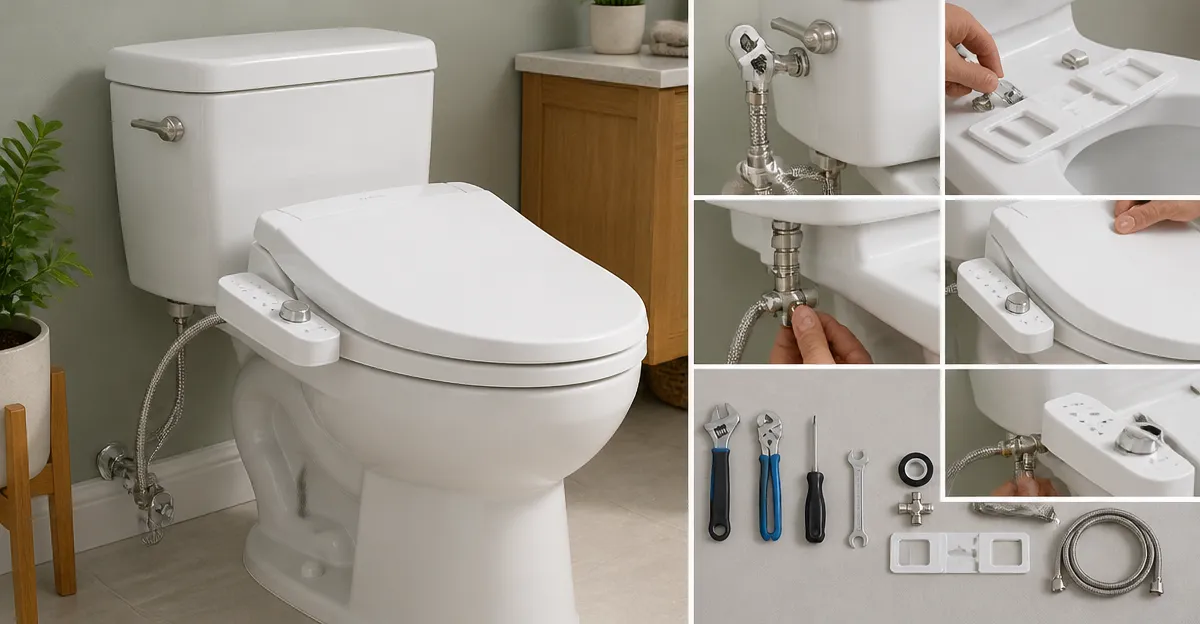
Secure the water supply hose to the bidet's inlet using the supplied washers and tighten with an adjustable wrench. The LEIVI seat features a quick‑connect fitting that minimizes the chance of leaks. After tightening, open the water valve slowly to check for drips.
Once water flow is verified, turn the converter back on and use the bidet's remote control to activate the warm water spray. The seat should heat within a few minutes, indicating that the voltage conversion is successful.
Step 6: Test All Functions and Verify Safety Features
Run each bidet mode—front wash, rear wash, pulsating spray, and warm air dryer—to confirm that the converter supplies stable power throughout. Observe the converter's indicator lights; a steady green light denotes normal operation, while a flashing red light signals an overload or fault.
If the converter emits a humming noise, this is normal for transformer operation, but excessive vibration may indicate a loose connection. Tighten any loose plugs and ensure the unit sits on a flat surface.
Finally, verify that the bathroom's GFCI (ground‑fault circuit interrupter) trips correctly by pressing the test button. This step confirms that the overall electrical system provides an additional layer of protection against water‑related faults.
Tips & Pro Tips
- Always leave a 10‑percent power margin between the bidet's rated wattage and the converter's continuous rating. This prevents premature wear on the transformer.
- Mount the converter on a wall bracket or place it on a shelf above the toilet to keep cords out of the splash zone.
- Use a surge protector with a built‑in voltage regulator if the local grid experiences frequent spikes.
- When traveling, the compact BESTEK adapter is lighter to pack, but for permanent installations the Ceptics or Yinleader units provide superior durability.
- Regularly inspect the converter's fan and ventilation openings for dust accumulation; a clean fan maintains efficient cooling.
Troubleshooting
Problem: Bidet does not heat water.
Solution: Verify that the converter is set to the correct input voltage (220V) and that the 200W outlet is active. Check the indicator light; a red flash indicates an overload. Reduce the number of simultaneous USB loads or switch to a higher‑capacity converter such as the Yinleader 2000W model.
Problem: Converter shuts down after a few minutes.
Solution: The bidet may be drawing more power than anticipated due to a malfunctioning heating element. Disconnect all auxiliary devices and test the bidet alone. If the shutdown persists, contact the manufacturer for warranty service.
Problem: Audible humming is excessive.
Solution: Ensure the converter is placed on a stable, level surface away from the toilet rim. Tighten any loose outlet connections and consider using a rubber isolation pad to dampen vibrations.
Conclusion
One can safely operate a 110V electric bidet seat on a 220V supply by selecting a suitable voltage converter, following proper installation procedures, and adhering to safety best practices. The guide has demonstrated how the Ceptics Voltage Converter, BESTEK Travel Adapter, and Yinleader models each address specific power needs and usage scenarios. By respecting power margins, securing connections, and testing all functions, users enjoy a comfortable bathroom experience without compromising electrical safety. The knowledge gained here empowers readers to make informed purchasing decisions and to maintain their bidet system for years to come.
Frequently Asked Questions
Do I need a voltage converter to use a 110V bidet seat on a 220V outlet?
Yes, a step‑down voltage converter is required to match the bidet's 110V rating and prevent damage.
What wattage rating should the converter have for a typical electric bidet seat?
Choose a converter rated at least 1.5 × the bidet's wattage, usually 150‑200 W for most models.
Can I use a simple plug adapter instead of a converter?
No, plug adapters only change the plug shape; they do not modify voltage.
How can I verify the bidet is receiving correct voltage after installation?
Use a multimeter or voltage tester at the seat's power input to confirm it reads close to 110 V.
What safety accessories should I add when using a converter with a bidet?
Add a surge protector and a short‑circuit protected power strip to guard against spikes and overloads.